
When Cities Grow Wild: Why Organic Growth Without Urban Planners Is a Ticking Time Bomb
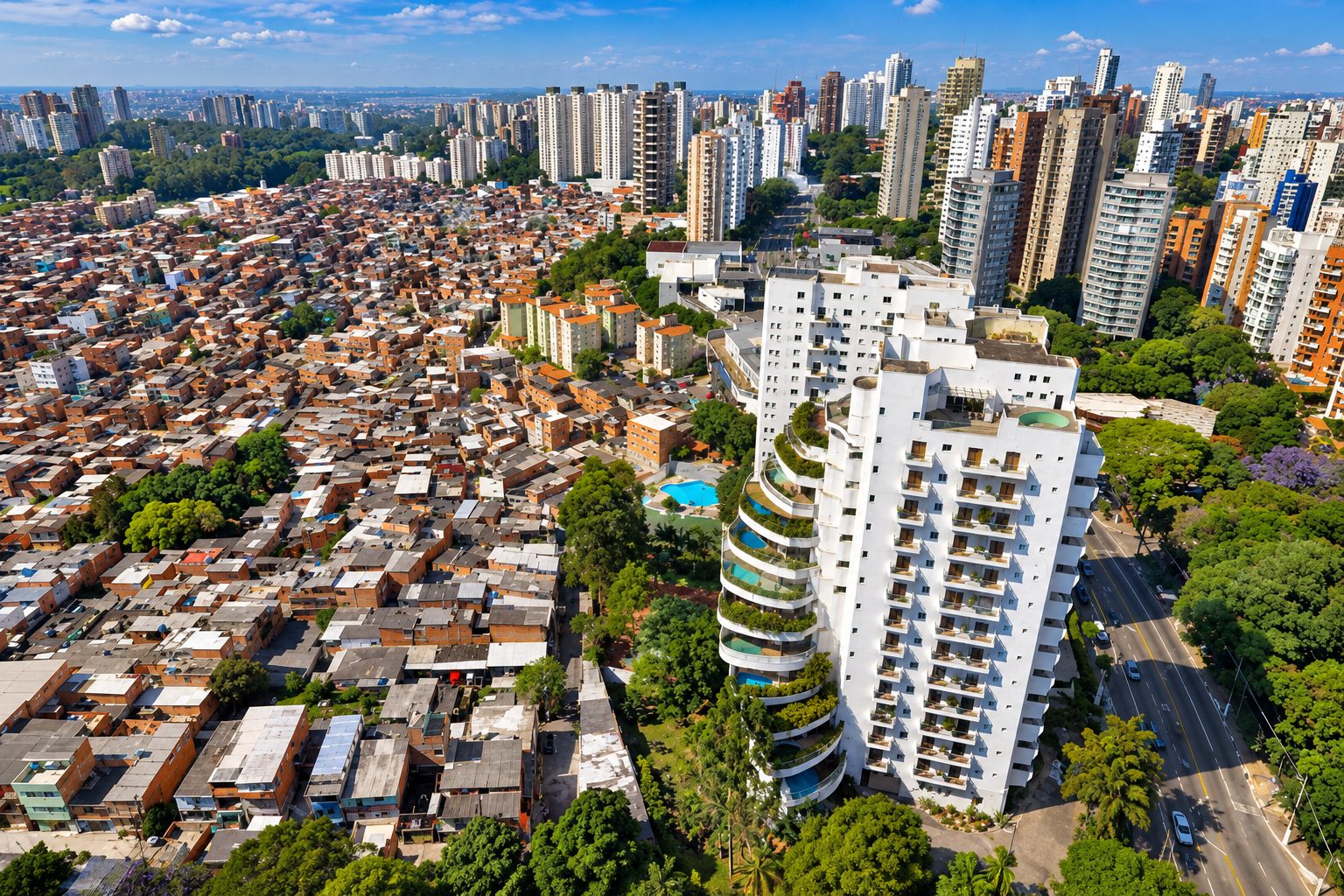
There’s a romantic myth about cities that “grew organically” — the winding medina alleys of Fez, the higgledy-piggledy streets of old London, the self-built favelas climbing Rio’s hillsides. We love to point to these places as proof that cities don’t need planners, that human settlements find their own beautiful logic if you just let people build.
It’s a seductive idea. It’s also dangerously incomplete.
The Myth of Spontaneous Order
Yes, some of history’s most charming urban fabric emerged without a master plan. But romanticizing these places ignores the cost that came with them: chronic flooding, disease outbreaks, fire that could level entire districts overnight, and decades — sometimes centuries — of retrofitting to make them livable. The “organic” cities we admire today are often organic cities that survived enough crises to eventually get infrastructure bolted on after the fact.
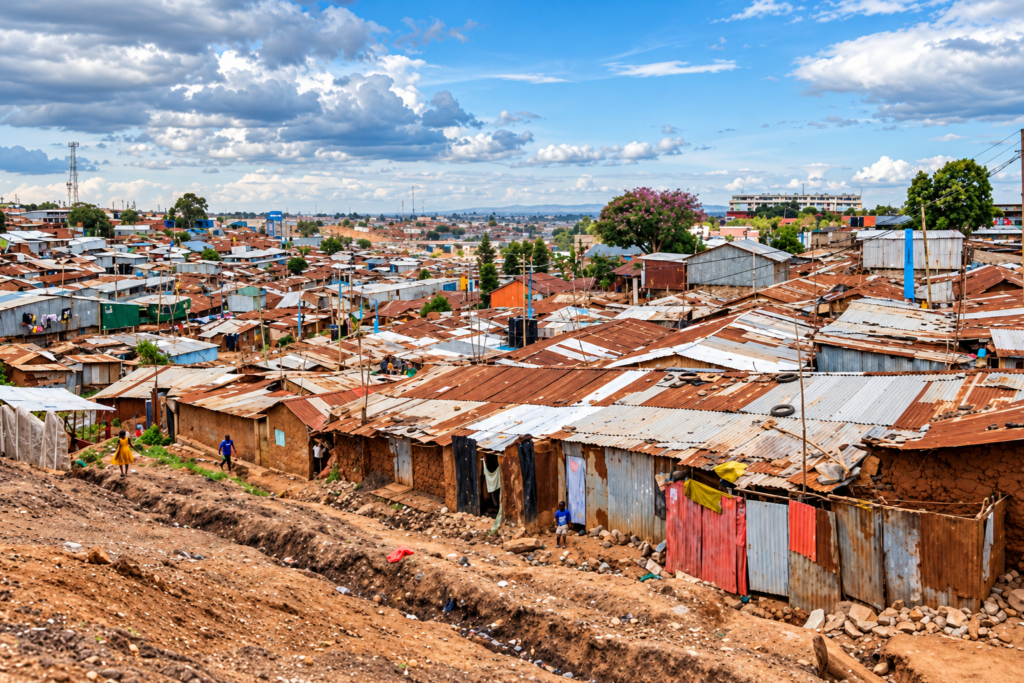
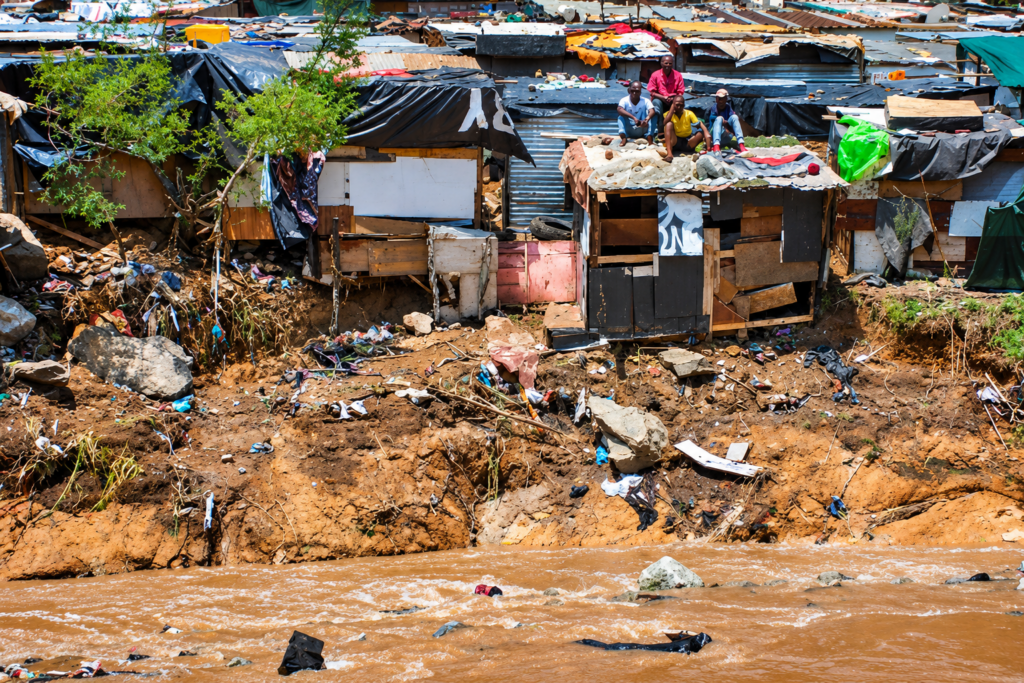
We’re not living in the 12th century anymore. Today’s unplanned growth doesn’t produce quaint alleyways — it produces sprawl, gridlock, and informal settlements housing a billion people worldwide, many in places actively unsafe to live.
What Actually Happens When Planners Are Absent
- Infrastructure Always Arrives Too Late (If At All)
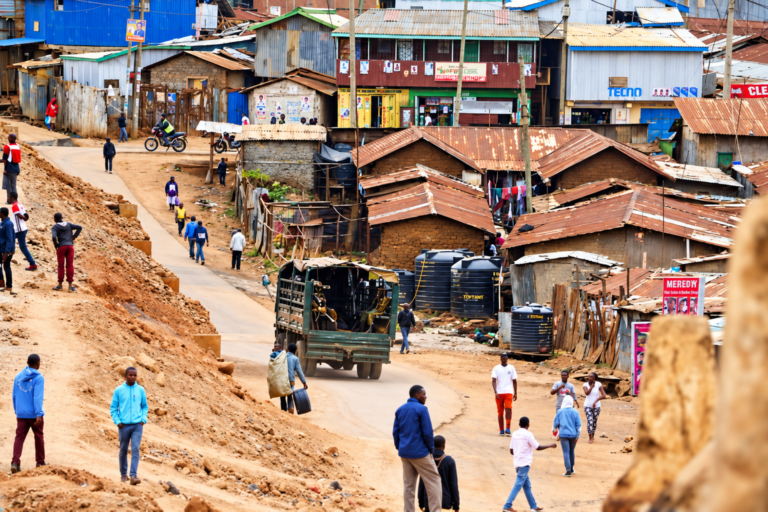
Roads, sewage, water, and power are efficient when designed ahead of growth and catastrophically expensive when retrofitted into an already-built area. Unplanned settlements routinely end up with roads too narrow for a fire truck, or drainage systems designed for a fraction of the current population.
2. Risk Concentrates in the Most Vulnerable Areas
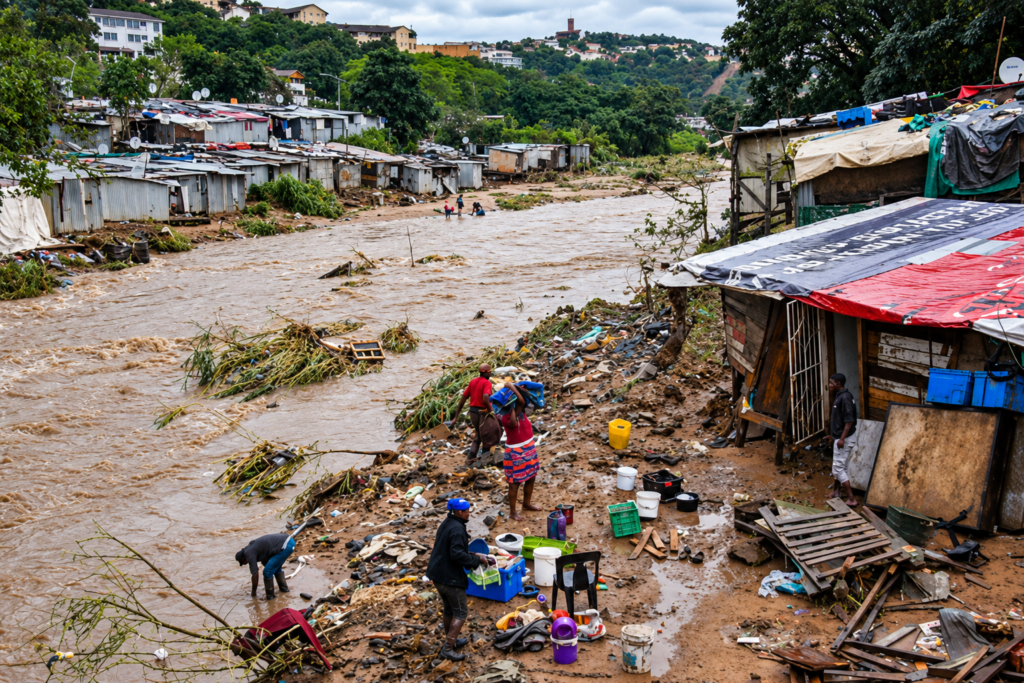
Without zoning or hazard mapping, people build wherever land is cheapest and available — which is disproportionately floodplains, steep slopes, and unstable ground. This isn’t a hypothetical: it’s the core reason informal settlements suffer wildly disproportionate casualties in floods, landslides, and earthquakes.
3. Segregation Happens by Default, Not by Choice
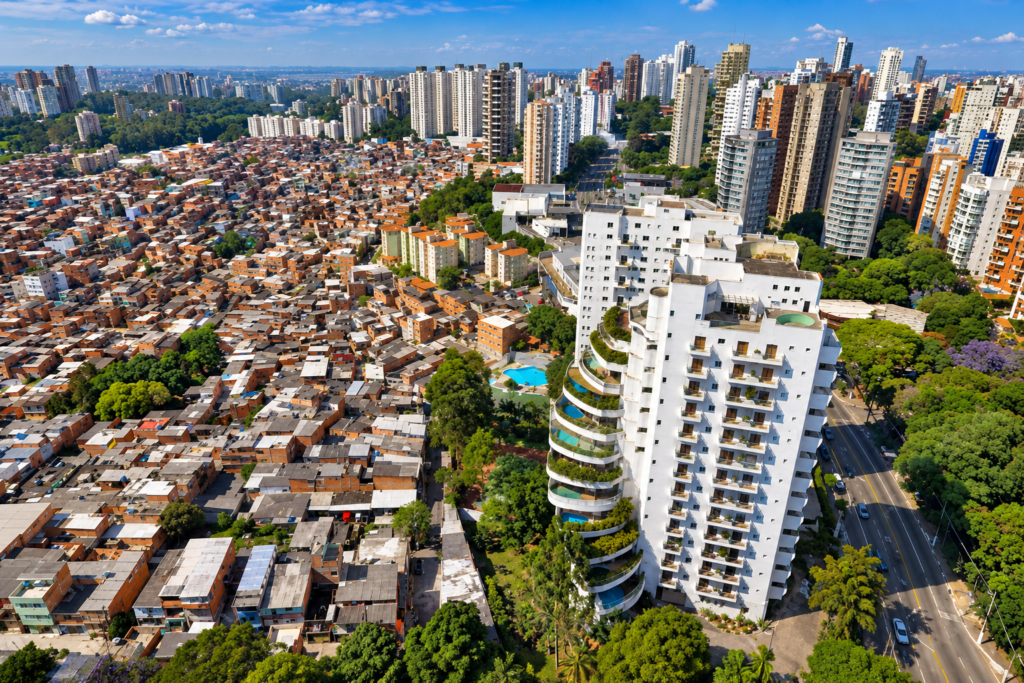
Planners get criticized for enforcing segregation historically, and that criticism is often fair — but the absence of planning doesn’t produce integration either. Market forces alone tend to sort people by income and push low-income communities to the periphery, far from jobs, schools, and services, entrenching inequality just as effectively as bad policy.
4. Public Space Simply Doesn’t Get Built
Nobody’s private incentive is to set aside land for a park, a plaza, or a sidewalk. Public goods are chronically undersupplied by uncoordinated individual decisions — that’s not a moral failing of any one builder, it’s a structural feature of how private incentives work. The result is dense grids of private structures with no shared space left over.
5. The Cost Gets Paid Later, With Interest
Every dollar not spent on planning ahead of growth becomes ten dollars spent on emergency retrofits, disaster response, or demolition later. Unplanned growth doesn’t avoid the cost of planning — it just defers it and adds interest.
But Isn’t Top-Down Planning Also Flawed?
Absolutely — and this is where the conversation gets interesting rather than one-sided. Mid-century modernist planning gave us plenty of its own failures: superblocks that killed street life, highway projects that gutted minority neighborhoods, master plans so rigid they couldn’t adapt to how people actually wanted to live. Jane Jacobs built an entire career, correctly, on showing how top-down planning could destroy the very urban vitality it claimed to create.
The honest conclusion isn’t “planners good, organic growth bad.” It’s that the absence of any coordinating framework is its own kind of failure mode — just a different one, and often a more dangerous one, because it distributes its damage silently across millions of individual households rather than concentrating it in a few visible, criticizable projects.
What Good Planning Actually Looks Like Now
The best contemporary planning isn’t the rigid master-planning of the 1960s. It’s:
- Flexible frameworks, not fixed blueprints — setting infrastructure corridors, hazard limits, and density guidelines while leaving architectural and land-use detail to evolve
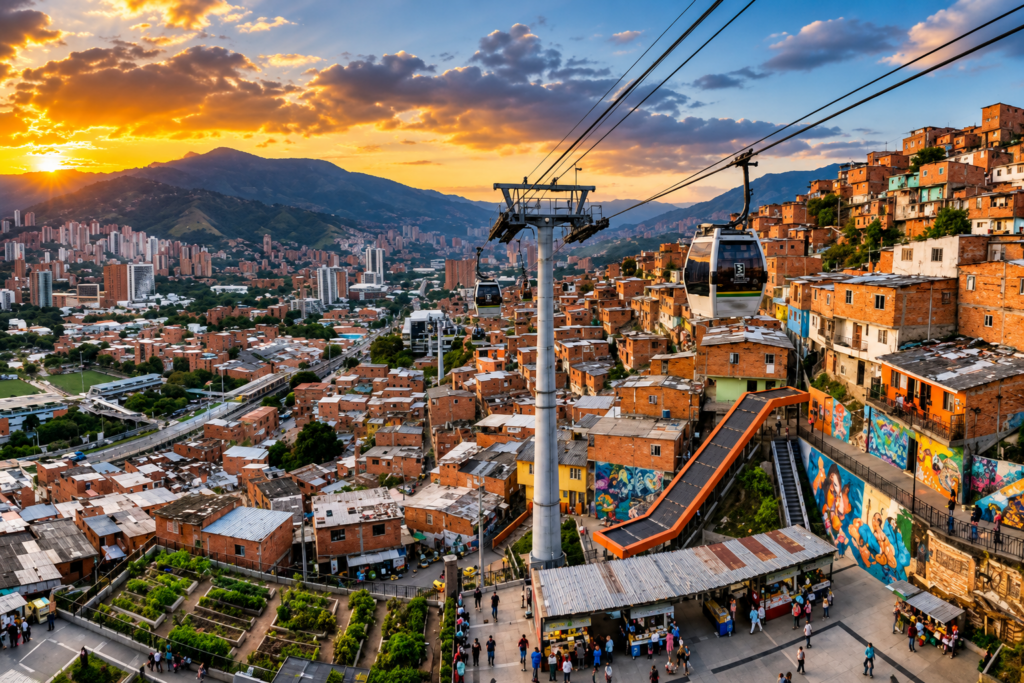
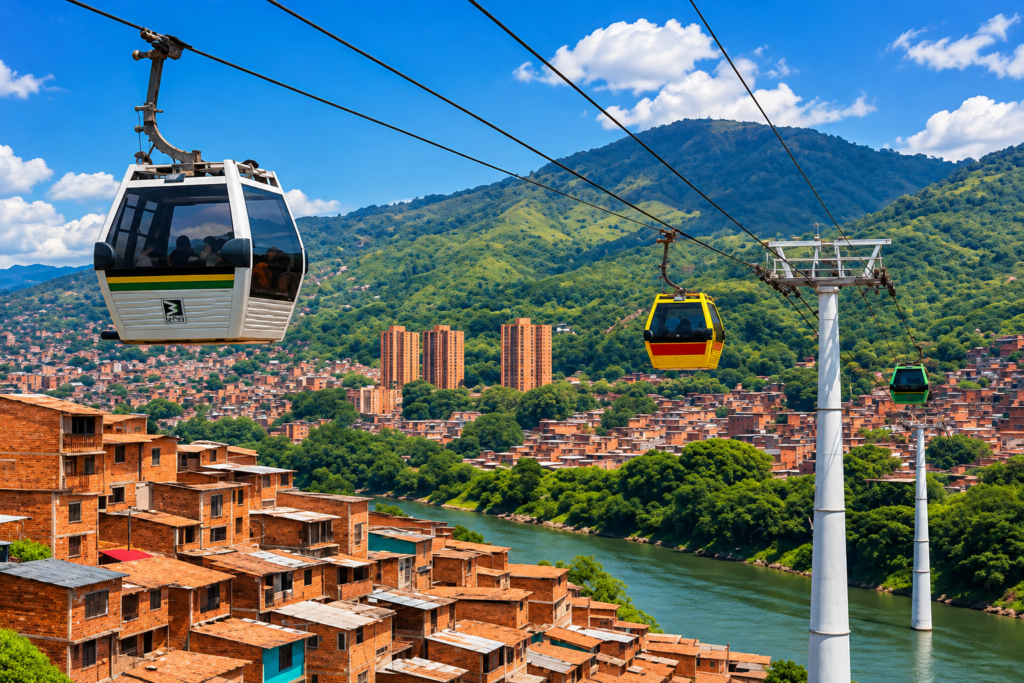
- Incremental, participatory upgrading — working with informal settlements to retrofit sewage, roads, and land tenure rather than bulldozing them
- Anticipatory infrastructure — laying down roads, drainage, and utility corridors ahead of population growth, even in a loose grid, so retrofitting isn’t later required
- Hazard-aware zoning — the one thing self-organized growth structurally cannot do well, because no individual builder is positioned to see or price in citywide flood or seismic risk
The Real Disaster Isn’t Planning — It’s Planning’s Absence
Cities are the largest, most consequential objects humans build, and they last for centuries. Leaving that scale of decision entirely to millions of uncoordinated, short-term individual choices isn’t liberation from bureaucracy — it’s outsourcing the cost of coordination to the people least equipped to bear it: future residents, disaster victims, and the taxpayers who eventually foot the retrofit bill.
Planning done badly is a real problem. Planning done well is a form of care for people who haven’t moved in yet. The absence of planning isn’t neutral — it’s just planning by default, executed by market forces and gravity instead of by anyone accountable for the outcome.
Recent Posts
Recent Projects


Gwiji offers innovative architectural solutions, specializing in sustainable design, urban planning, interior design, and project management for residential and commercial spaces. With a passion for creativity and a commitment to excellence, we blend artistry and functionality to craft interiors that reflect our clients' unique personalities and aspirations.
Contact Us
- Nairobi, Kenya
- + 254 716 597 772
- info@gwijigroup.com